

/prod01/channel_8/media/galleries/tapestry-of-black-britons.jpg)
The centrepiece of Black Atlantic Makers: Conversations will be the multi-panel, woven and embroidered Tapestry of Black Britons. The large textile work will be displayed alongside pieces by Black makers represented within the four material areas of the Crafts Study Centre’s collections – ceramics, wood, textiles and calligraphy – and loans from other public and private collections.
Event details
-
17 February 2026 - 23 May 2026
10:00-17:00 (GMT)
Crafts Study Centre, UCA Farnham, Falkner Road, Farnham, Surrey GU9 7DS
The centrepiece of Black Atlantic Makers: Conversations will be the multi-panel, woven and embroidered Tapestry of Black Britons. The large textile work will be displayed alongside pieces by Black makers represented within the four material areas of the Crafts Study Centre’s collections – ceramics, wood, textiles and calligraphy – and loans from other public and private collections. Tapestry of Black Britons, an evolving artwork, is a collaborative, craft-centred initiative celebrating and documenting little-known strands of British history through textile art. A new panel, African Romans by Kofi Alvin, will premiere at this exhibition.
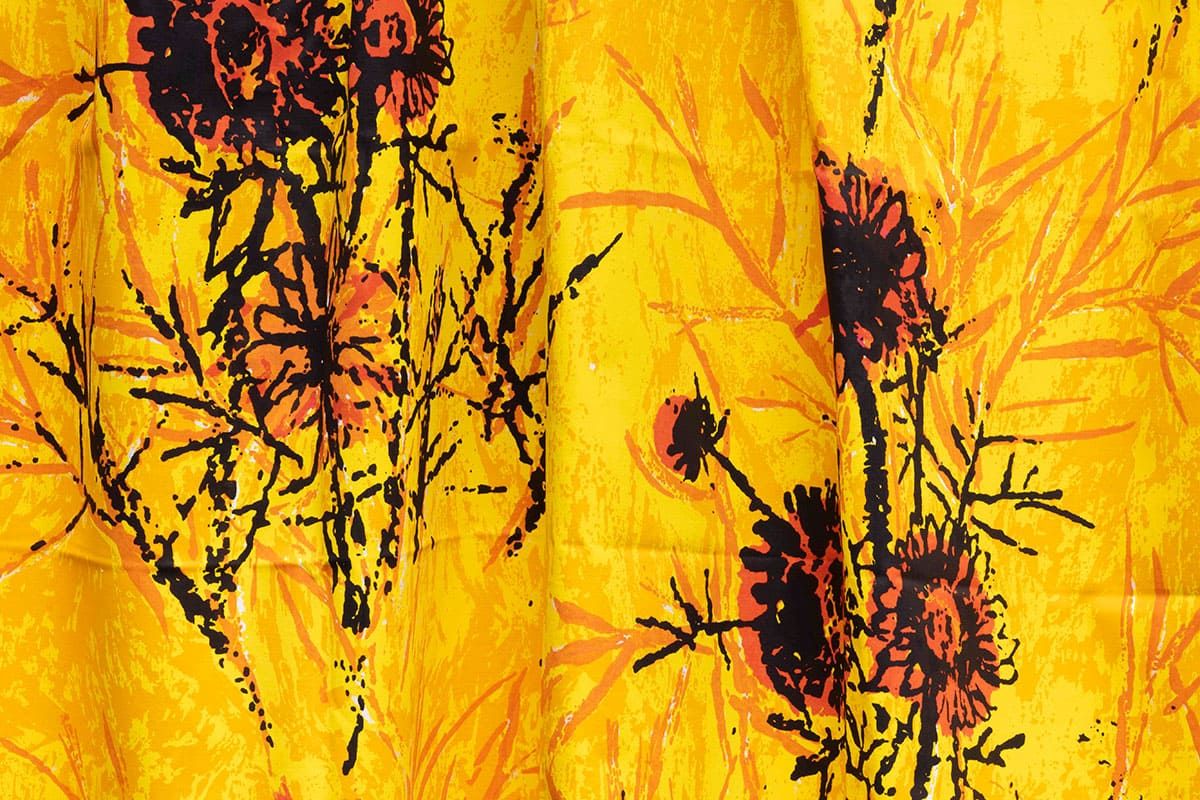
Althea McNish, Rubra [detail], 1961. Hand screen-printed on cotton sateen.
Collection items and loaned works will be arranged into a series of conversations that reflect a Black Atlantic consciousness, bringing together well-known, established makers and younger practitioners across generations. Rather than tracing a single career or linear chronology, this approach foregrounds exchange, movement and affinity – key characteristics of Black Atlantic cultural production. These inter-generational dialogues emphasise both continuity and divergence among Black makers, revealing how shared histories and diasporic connections give rise to a wide range of formal and conceptual expressions within each material area.
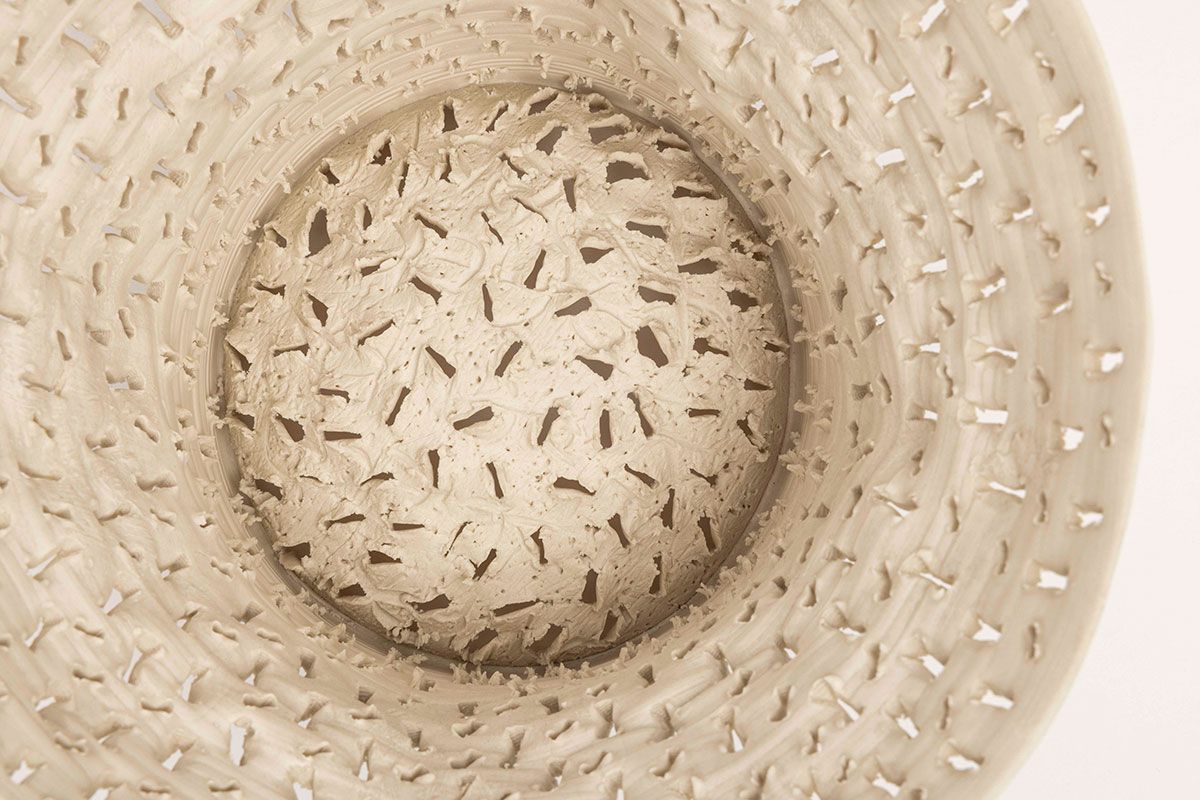
Lawson Oyekan, Trial with Light [detail], 1996. Porcelain.
Contemporary makers have been invited to respond to works by historic or established figures such as Ronald Moody, Althea McNish and Magdalene Odundo. These pairings and groupings offer an alternative lens by prioritising relationality and dialogue over survey and will highlight how Black British making emerges from a web of shared references, influences and inherited knowledge.