


Based in Research & Innovation, our Centre for Place-Based Creative Innovation (PCI) develops and leads interdisciplinary arts and humanities-informed thinking and creative research in relation to collaborative place-making and community engagement.
Led by Professor Cat Rossi, the Centre builds on UCA’s strengths in working in partnership in regional, local and hyper-local settings in the UK and internationally, in areas ranging from the crafts to architecture, housing, local communities, digital technologies, and the agricultural and cultural sectors. It brings together researchers from across UCA using creative methods and approaches to address a range of place-based themes and issues, including mapping, walks, music, design research and participatory and immersive experiences.
Cat brings a strong focus on ideas of place to the role, including her long-standing interest in contemporary and historical design, architecture and craft, international curating experience, creative sector and museum collaborations, and new work exploring the relationship between design and agricultural waste, where she is working closely with local Kent businesses. As a researcher, writer, curator, and experienced educator and PhD supervisor she has worked on exhibitions, programmes and externally funded projects with museums and cultural organizations including the British Council, Creative Folkestone, the Design Museum, the Imperial War Museum, V&A Museum, the Venice Architecture Biennale and Vitra Design Museum.
Our projects
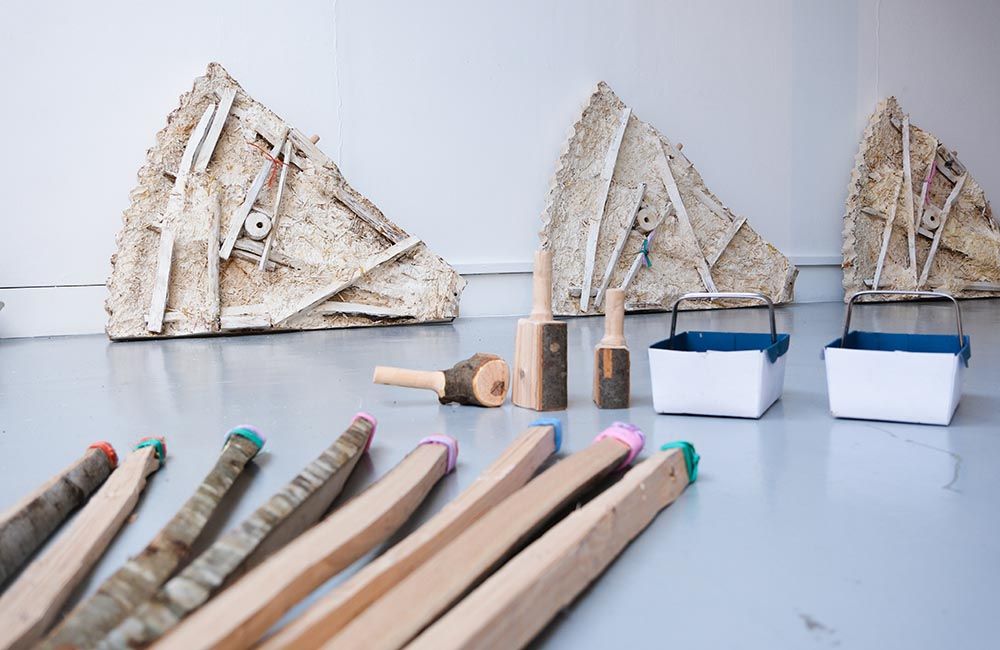
HARVEST is a research, KE, community engagement and commercialisation project exploring agricultural, seasonal and craft-based approaches to regenerative design innovation, focused on the reuse of agricultural and industrial waste, leftovers, and byproducts through designing artefacts, rituals and systems. It is co-led by Charles Holland and Cat Rossi, with collaborators and partners including the Crafts Study Centre, Local Works, Perry Court and Torry Hill Chestnut Fencing.
The project has so far consisted of 3 sub-projects - HARVEST Festival (2025), HARVEST MOON (2026 - ) and GLEANING (2026 - ).
Many different factors can affect the way that we experience a building — the amount of light, the proportions of the rooms, the positioning of doorways and corridors, surfaces, and even our personality type. It is the job of architects to take control of these elements to create buildings that are a pleasure to use. Although the formula for creating a positive experience within a space may seem intuitive — plenty of light, generous proportions, an easily navigable floor plan, a balance of private and social spaces — very often, these basic needs are overlooked. And that can have an impact on occupants’ physical and mental health.
Designed by Sam McElhinney, the Isovist software can simulate the viewpoint of a person in a space, and predict their behaviour within it. Freely available from isovists.org, the programme can generate data to support the intuitive assumptions that architects make about how to design spaces that people will want to spend time in. Isovist scans uploaded plans and sections to examine the overall structure of a space, measuring all of the routes and all of the views throughout it. It can then highlight the space’s configurational qualities.
Street markets are central to their communities across London. Stall Tales is working in Lewisham market to make the history and heritage of the market visible to the people who work and shop there. The market dates back to the 1890s and survived attempts by the Lewisham Council to clear it in the early twentieth century, as well as devasting bombing during the Second World War. The descendants of many of those first licensed to trade in Lewisham market in the 1930s still work there now and the market is an enduring part of the area’s local character.

The project is led by Professor Victoria Kelley with Dr Rachael Johnson and Camille Serisier. Supported by a National Archives Engagement Grant , UCA's Arts and Humanities Research Council (AHRC) Impact Acceleration Account, and Lewisham Council, they are working with Lewisham Heritage Archives to make the history of Lewisham’s market visible. Evidence for the market’s history exists in the formal council records in the Lewisham Heritage archives, and in the (untapped) memories and family histories of the stallholders. Stall Tales aims to activate both these resources to create a public the history of the market.
Mixtape is a unique heritage app that uses soundwalks to uncover and share the often-overlooked musical history of UK towns.
By combining music, oral history, and documentary storytelling, Mixtape creates immersive walking experiences that reveal hidden histories, strengthen pride of place, and help communities see their towns in a new way.
Aldershot Mixtape
Aldershot Mixtape is a self-guided musical audio trail that takes you on a sonic journey around Aldershot town, highlighting the town’s rich and diverse musical history. Plug in, press play, and let’s take a walk-through sound. The audio trail leads you from the indie vibes of the legendary Buzz Club to songs from Himalayan landscapes and the lively early days of rave music. You will hear a blend of instruments, field recordings, and voice, as well as distant chants from Aldershot Football Club. By combining music, sound design, and interviews, Aldershot Mixtape offers a uniquely immersive experience of the town’s distinctive history.
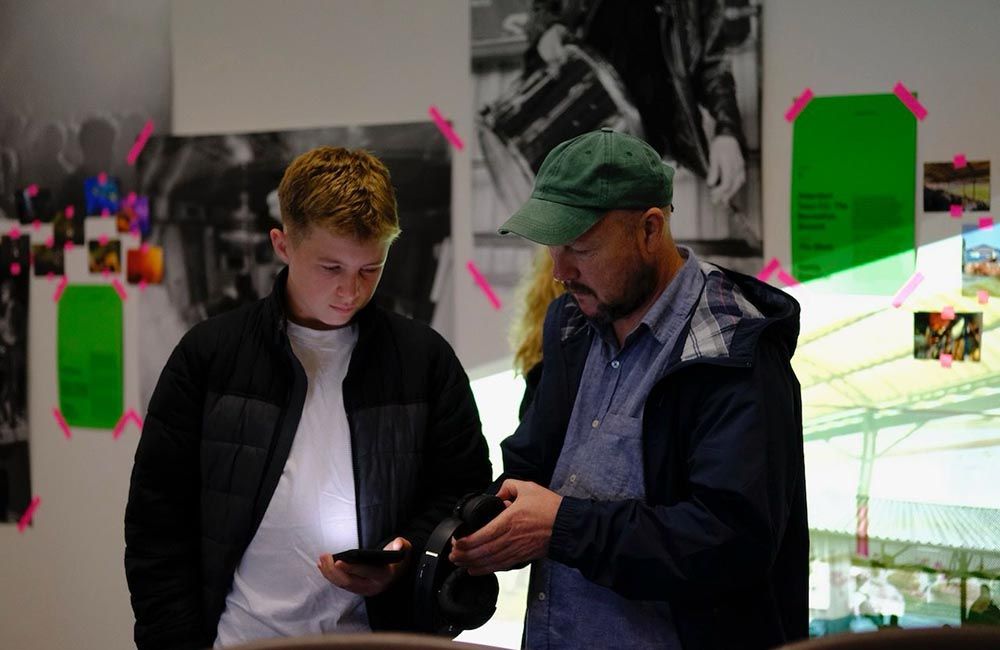
The project is led by Simon Aeppli and Jamie Dobson in partnership with Rushmoor Borough Council, Forward 4 Wiz Trust, and the West End Centre. It is part of a larger Mixtape project.
Explore more projects
Head to our UCA Research Online platform to browse all research projects.