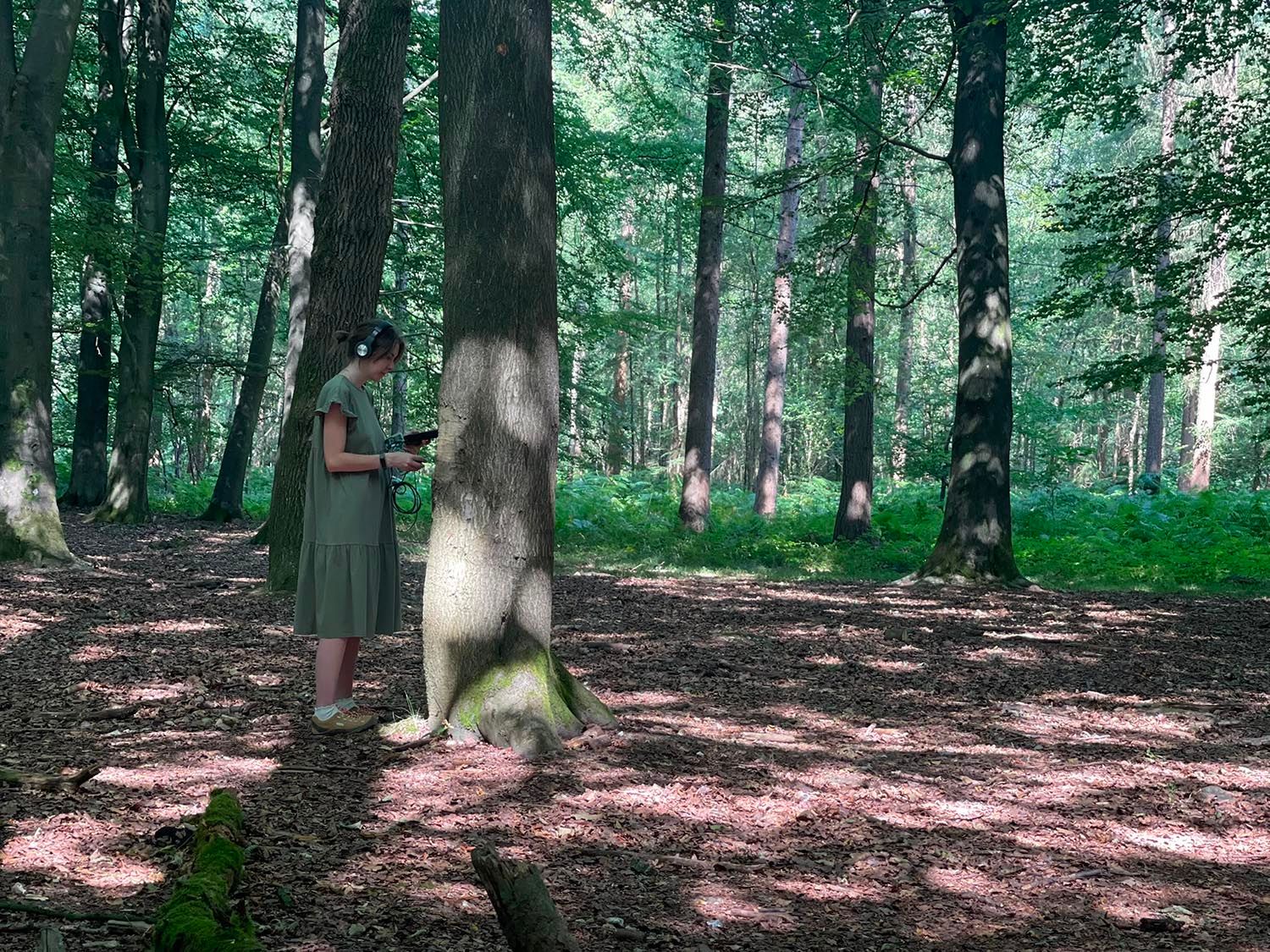
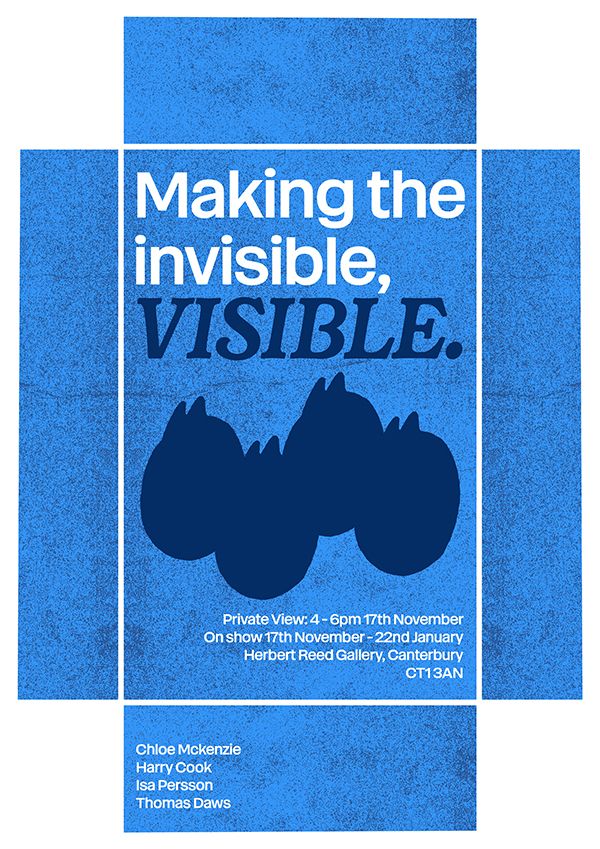
Making the Invisible Visible brings together new work by third-year BA Fine Art students Chloe McKenzie, Harry Cook, Isa Persson and Thomas Daws, developed through a summer residency in partnership with UCA Archives & Special Collections.
Event details
-
17 November 2026 - 22 January 2027
10:00-17:00 (GMT)
Herbert Read Gallery, Canterbury, CT1 3AN
Beginning with a shared interests in absence, marginalisation and hidden narratives, the four artists delved into the archive, uncovering fragments and stories that became the starting point for new work. Through experimentation, reinterpretation and play, the past is pulled into the present — shifting what we think we know, and bringing what was once invisible into view.
While the archive provided a starting point, it was the artists’ interpretations and creative decisions that shaped the direction of their work. Historical material became a catalyst for new ideas, unexpected connections and different ways of seeing.
Working with the collections also brought new challenges. Ideas were questioned, reconsidered and expanded as the artists encountered complex and sometimes difficult material. Therefore, the residency offered a wider context for considering how artists can engage critically with the past while reflecting on a range of contemporary concerns. Focusing on themes of ecology and the landscape, immigration, gender, queerness and masculinity each artist has interrogated how past items can help us engage in topics pertinent to the study of contemporary art.
Moving between research and making, the artists explored how historical material could be translated, transformed and reimagined through their own practices, illuminating aspects of the archive that might otherwise have remained overlooked. Working across animation, sculpture, installation, sound, printmaking and projection each artist has developed a distinct response, allowing personal interests, material curiosity and critical enquiry to guide the evolution of the work.
Through their work, the artists invite audiences to look more closely, reconsider what might otherwise be overlooked and reflect on how meaning is created and understood. Ultimately, the exhibition celebrates four developing artistic practices and their journeys through the archives. It offers a glimpse into how each artist has transformed their findings, making visible not only overlooked narratives, but also the ideas, questions and discoveries that have shaped their work.
Artist bios
Harry Cook: @hazzcooked
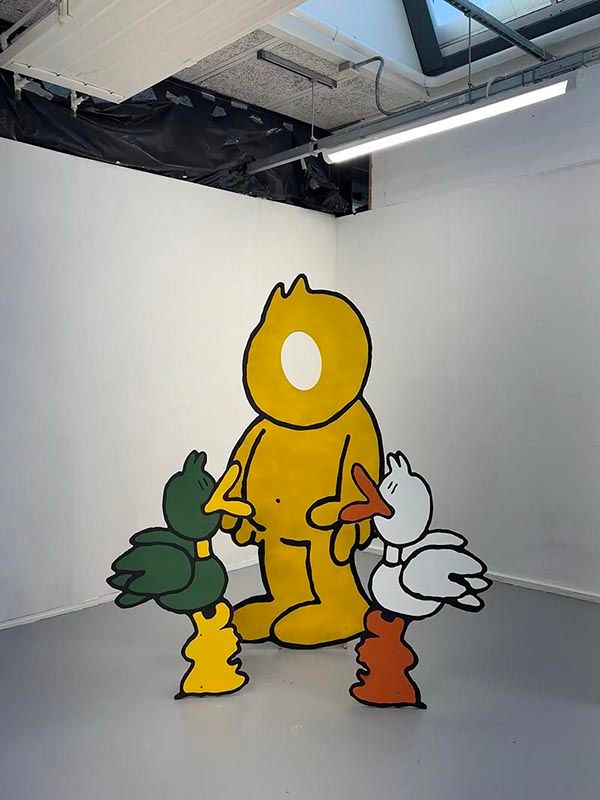
I explore themes of nostalgia, which for me is something that I usually see through digital technologies such as TV, video games and social media. I view social media as a kind of archive, accumulating an excess of digital media, imagery, and graphics that remind us of our younger selves. I imagine these to be the twenty-first century’s version of found objects. I am interested in considering how this accumulation of digital content has influenced the
development of my own identity, as well as the identities of others who have grown up within the same contemporary digital landscape. Within this era of hyper documentation and information, it is important to consider how perceptions of reality and time are affected when our memories become clogged with downloaded images. I have also become interested in how the boundaries between our understanding of physical reality and digital worlds have begun to blur, and how this shapes the way we remember, experience, and understand reality.
Isa Perrson: @isasfineart
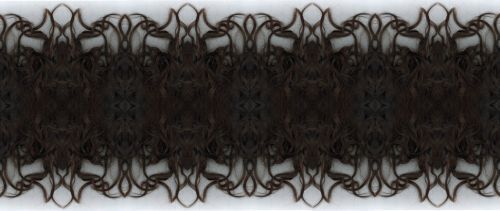
My practice explores identity, heritage and the relationship between the body and culture, and how we conceptualise what’s acceptable or not. I draw inspiration from my personal experiences, family history and the cultural identity and navigation of being a second-generation immigrant. I am particularly interested in how religion, migration and cultural background shape our sense of self and work, in ways we don’t consciously choose. I am interested in how everyday objects and materials can hold deeper meanings. Recently I’ve been exploring hair, how it shapes identity, and our visceral reactions to seeing it in places it shouldn’t be. For example, recently I made my own font out of hair, transforming something personal and bodily into a form of communication.
Thomas Daws: @thom_artstuff
Degradation and the obsolete encompass my practice; I’m drawn to found objects, exploring how I can manipulate them to change their context and perceived meaning. The transformation and fluidity of these objects over time directly correlates to thoughts around perception and voyeurism, in regard to my own gender identity. The perception of which, seems to be in a constantly transforming state, much like the landscapes and historic buildings that I photograph. Many that have become ruins, both objects and landscapes, through my own intervention or others leaving shells behind. I have explored this idea of degradation through unhemmed textiles, the work slowly unravelling and threads falling away each time I move or touch it. I often also work digitally, which became a stark contrast to my textile work, and once I began working in more analogue methods, these digital processes felt quite jarring. In all my approaches to making, analogue, digital and combined, I appropriate the image of these items and written word, taken directly from my research material.
Chloe Mckenzie: @chloe_mckenzie_creates
Situated in the rural Kent countryside, walking is at the centre of my practice, I find the work reveals itself when I am ambling along. Inspired by the serene, untamed, abundant landscape around me my practice is a living, breathing collaboration with the earth. My feet make the walk that leads to the work made with my hands. Through site-specific historical context, the surroundings I am in, the feelings a walk surfaces, to the objects I may find all influence the work created. Research also plays a big part informing the work made, it helps identify my focus, synthesize, and have a better understanding of the world around me.
I am inspired by the concept of deep time and how this is manifested through places, objects and artifacts. Thinking about all that a place or object has seen, the history they hold and their rich geology. I have also been fascinated with wild clay, foraging for it, processing it and using it, learning about it and how to use it has been magical and I can’t wait to expand this within my practice. These ancient crafts make me feel rooted in the rich history and splendour that a site may hold. Working with my hands and using these age-old processes makes me feel grounded and closer to the earth. Being in these boundless landscapes and making work at a location has been really freeing and refreshing to get out there and make in the elements.
By embracing the wisdom of the land my work seeks to channel the timeless stories and secrets held within nature, celebrating its magnificence and resilience. Through honouring the land and these ancient crafts I aim to communicate the essence of the natural world in ways words alone cannot. My work speaks from the heart and soul, capturing the indescribable qualities that mother earth offers.